


Belize is a small country (180 miles long by 70 miles wide) tucked along the Caribbean coast east of Guatemala and south of Mexico’s Yucatan Peninsula. Formerly British Honduras, it became fully independent in 1981.
Lately, Belize has grown popular with nature- or adventure-loving North American and European visitors—snorkelers, bird watchers, backpackers, “eco-travelers”—for its abundant natural beauty. Its coast is bordered by a long coral reef dotted with little islands (cayes), and its interior boasts lush forests and steep green hills that still host a wide range of jungle wildlife.


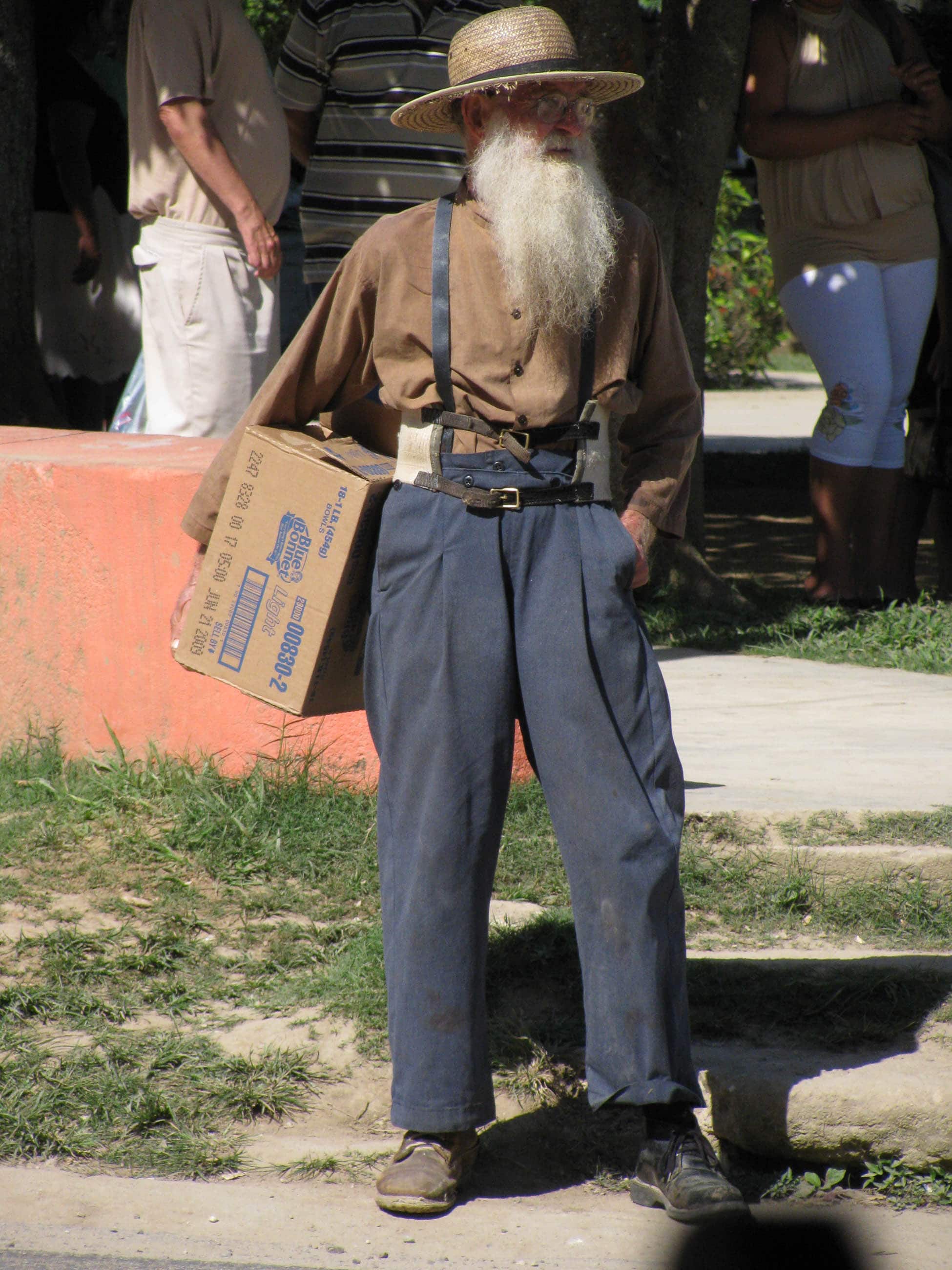
The first thing you notice in a Belizean town is the ethnic diversity of the people. This country is a stew pot—it contains a little bit of everything. There are Spanish-speaking Mayans and mestizos (people of mixed Spanish and indigenous descent); black folks who speak an English Creole dialect and who trace their roots to free black immigrants from Caribbean islands or to African slaves brought here to log mahogany trees; Chinese and East Indians (from India and Sri Lanka), descendants of imported indentured laborers or of more recent immigrants to a country eager to attract entrepreneurs. There is even a population of white Mennonites, who look for all the world like people you’d see in Lancaster County, Pennsylvania, although they moved here from Mexico in the 1950s.
Such diversity produces some surreal moments. In the northern town of Orange Walk, we lunched on tacos and burritos; visited the local museum, where we read about the history of British colonialism and the logging trade; and then emerged to the unexpected sound of fireworks, as the town’s Asian population celebrated Lunar New Year with two men in a golden dragon costume cavorting to the accompaniment of drums, gongs, and firecrackers.
The next morning, in an Internet cafe, the computer terminal next to ours was occupied by two Mennonite men in gingham shirts, suspenders, and straw hats looking at agricultural machinery online. When they picked up the phone to place an order, they switched from the antique German they’d been speaking among themselves to seamless Spanish. If there ever was a cultural melting pot, it’s Belize.

Although this is a small and sparsely populated country (less than 300,000 inhabitants), traveling makes Belize feel much bigger than it is. There are only about six paved highways, none more than two lanes wide. Outside the towns, all of the roads off the highway are unpaved. Rental cars are too expensive for budget travelers, maybe because of the state of the roads. (A taxi driver told us that Belize is “where cars come to die.”)
There are taxis in town, but the main form of transportation is public buses. They are all old, recycled U.S.-style school buses, repainted red or blue or green. (Do U.S. school districts ship their retired buses to Central America when they buy new ones?)
A Belizean bus will depart from one major town bound for another, but along the way it will pick up or drop off passengers literally anywhere along the highway. As a result, buses are always crowded. Children take them to school, commuters to work, shoppers to the next market town, and travelers to the next hub on their itinerary.
With so much stopping and starting, buses here can be maddeningly slow—it once took us two hours to go 40 miles. But they’re inexpensive, safe, not too uncomfortable (the windows usually open and close), and a good way to see the countryside and its residents. Plus, buses in Belize force you to take things at a slower pace. What’s the hurry? You’ll get there eventually. In the meantime, there’s always something interesting to see out of the window.

